

- 35 Views
- 3 Min Read
- (0) Comment
A wealth of ancient history may be found in the Rann of Kutch, which is renowned for its expansive white salt desert and vibrant cultural festivals. The Siyot Caves are a magnificent archaeological site that symbolises the region’s profound spiritual and cultural origins, making it stand out among its numerous hidden gems. These tunnels, which are in the Lakhpat Taluka of the Kutch district, close to the Indo-Pak border, are a must-see for history buffs and tourists on a Rann Utsav Tour of the area.
It is thought that the Siyot Caves, sometimes called the Kateshwar Caves, were formed in the first century AD. They are among Gujarat’s first Buddhist rock-cut caves and provide a fascinating window into the area’s ancient past.
Siyot Caves’ Historical Significance
The development of Buddhism in western India is intimately related to the history of the Siyot Caves. Buddhist monks may have formerly meditated and engaged in other religious activities in these caverns, according to archaeological discoveries. Early centuries Buddhist influence can be shown in the clay seals, sculptures and inscriptions found during explorations.
The finding of Hindu gods and symbols over time further solidified the caves’ association with Hinduism. This shift emphasises how the region’s history was shaped by religious development and cultural harmony. This distinctive fusion of Buddhist and Hindu past that shapes the caverns’ current identity is visible to visitors who are there as part of their Rann Utsav Tour Packages.
Architectural Features of Siyot Caves
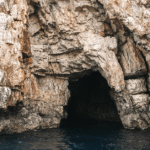
The five rock-cut chambers of the Siyot Caves are set into a sandstone hill. Early Buddhist architectural forms may be seen in the main cave’s elaborate carvings, pillared hall and sanctum. A calm, spiritual ambience is produced by the design’s simplicity and the surrounding landscape’s inherent beauty.
Remains of ancient sculptures and inscriptions can also be found in the caverns, which offer essential insights into the artistic traditions of the era. The expertise and dedication of the artisans who built these structures around two thousand years ago are demonstrated by the artistry found in the walls and pillars.
Duration and Availability
Visitors can explore the Siyot Caves at any time of year, usually from dawn to dusk. It is an accessible site for all travellers because there is no official admission cost. Bhuj, the primary entry point to the Rann of Kutch, is around 110 kilometres away from the location. The caves are accessible by road. During the holiday season, local transportation and guided tours are offered.
Since the Siyot Caves provide a serene respite from the bustling Rann Utsav festivities, many tourists incorporate them into their Rann Utsav tour packages. A greater comprehension of Kutch’s historical and cultural variety can be gained by exploring the caverns.
The Best Time to Visit Siyot Caves
November to February, when the Rann Utsav celebration is taking place, is the best time of year to explore the Siyot Caves. The region comes alive with cultural performances, artisan exhibits and desert adventures during this time, when the weather is nice. Travellers can enjoy both the historical legacy and the lively energy of Kutch by combining a visit to the caverns with a Rann Utsav Tour.
A Journey Through Time and Culture
The rich history, spiritual heritage and artistic brilliance of the area are all attested to by the Siyot Caves. They provide tourists an opportunity to travel back in time and establish a connection with the ancient societies that previously thrived in the Rann of Kutch.
Rann Utsav provides carefully crafted Rann Utsav Tour Packages that include excursions to historical locations such as the Siyot Caves for tourists wishing to explore this intriguing location. Their carefully planned trips blend history exploration, desert adventures and cultural experiences to provide an unforgettable journey through Kutch’s timeless beauty.